In-Vehicle Network Protection
In-Vehicle Network Protection
In-Vehicle Network Protection
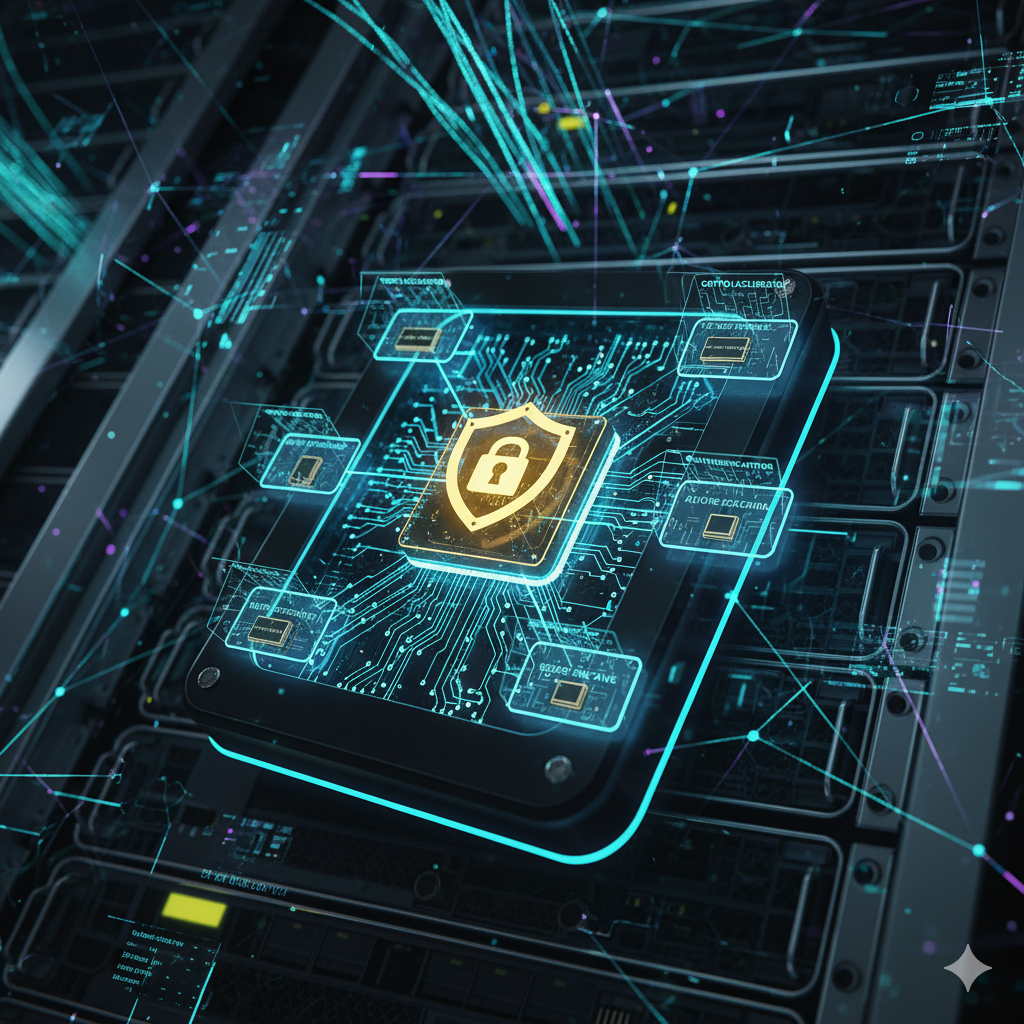
In-Vehicle Network Protection
Modern vehicles are more connected and software-driven than ever before. With multiple ECUs communicating through CAN, LIN, FlexRay, and Ethernet, the in-vehicle network acts as the central nervous system of the automobile.
However, as vehicles become smarter, they also become targets for cyberattacks — from remote hacking to ECU spoofing. That’s why In-Vehicle Network Protection has become an essential part of automotive cybersecurity.
In-vehicle network protection involves securing the communication between electronic control units (ECUs) inside a vehicle. It ensures that only trusted messages are transmitted, preventing unauthorized access, message tampering, and data injection.
Part of the AUTOSAR framework.
Adds message authentication and freshness to ensure messages are genuine and untampered.
Prevents spoofing and replay attacks.
Implements encryption and authentication on the Controller Area Network (CAN) bus.
Prevents attackers from injecting false messages to ECUs (e.g., brake or steering modules).
Uses message counters, timestamps, and cryptographic signatures.
Protects high-speed automotive Ethernet used in ADAS and infotainment.
Uses MACsec (Media Access Control Security) to ensure confidentiality and integrity.
Enables secure communication between domains such as infotainment and powertrain.
Monitors in-vehicle network traffic for anomalies.
Detects unusual message patterns or timing irregularities.
Automatically isolates compromised ECUs to prevent further spread.
Implements challenge-response authentication for diagnostic tools.
Prevents unauthorized flashing or parameter modification via the UDS (ISO 14229) protocol.
🚫 Prevents message injection and spoofing attacks
🧠 Protects critical ECUs (engine, brakes, ADAS) from tampering
🔒 Ensures end-to-end message integrity and authenticity
⚙️ Enables safe OTA (Over-the-Air) updates
✅ Complies with ISO/SAE 21434 and UNECE WP.29 cybersecurity regulations
Integrate security by design early in vehicle architecture.
Use HSM (Hardware Security Module) for secure key storage.
Apply message authentication codes (MACs) for each ECU message.
Perform penetration testing and threat modeling during development.
Continuously monitor and update ECUs post-deployment.
As the automotive industry moves toward connected, autonomous, and electric vehicles, securing the in-vehicle network is no longer optional — it’s essential.
With robust technologies like SecOC, HSM, and IDPS, manufacturers can ensure reliable communication, protect ECUs, and maintain compliance with global cybersecurity standards.
In-Vehicle Network Protection is the foundation of safe and secure mobility — ensuring every signal, message, and connection inside your vehicle can be trusted.
Politics can be attributed to his perseverance to overcome his personal liabilities, and his desire to constantly become better. Next time you really want to achieve something, take time to focus on your own personal journal. What is your temptation that is standing in your wayv to greatness.

If you were choose the path to the right, the right path, there are new possibilities, achievement, freedom of mind, positive and progressive implications. Think about that as you stand at this place where the path splits. You want to make a decision and commit to one of these paths. Before you make that decision, we are going to see what each path holds for your future.
Have a brand problem that needs to be solved? We’d love to hear about it!
Let’s Get Started