CAN Bus Interface & Control Modules
Advanced CAN bus interface and control modules for reliable communication, monitoring, and automation in automotive and embedded systems.
Advanced CAN bus interface and control modules for reliable communication, monitoring, and automation in automotive and embedded systems.
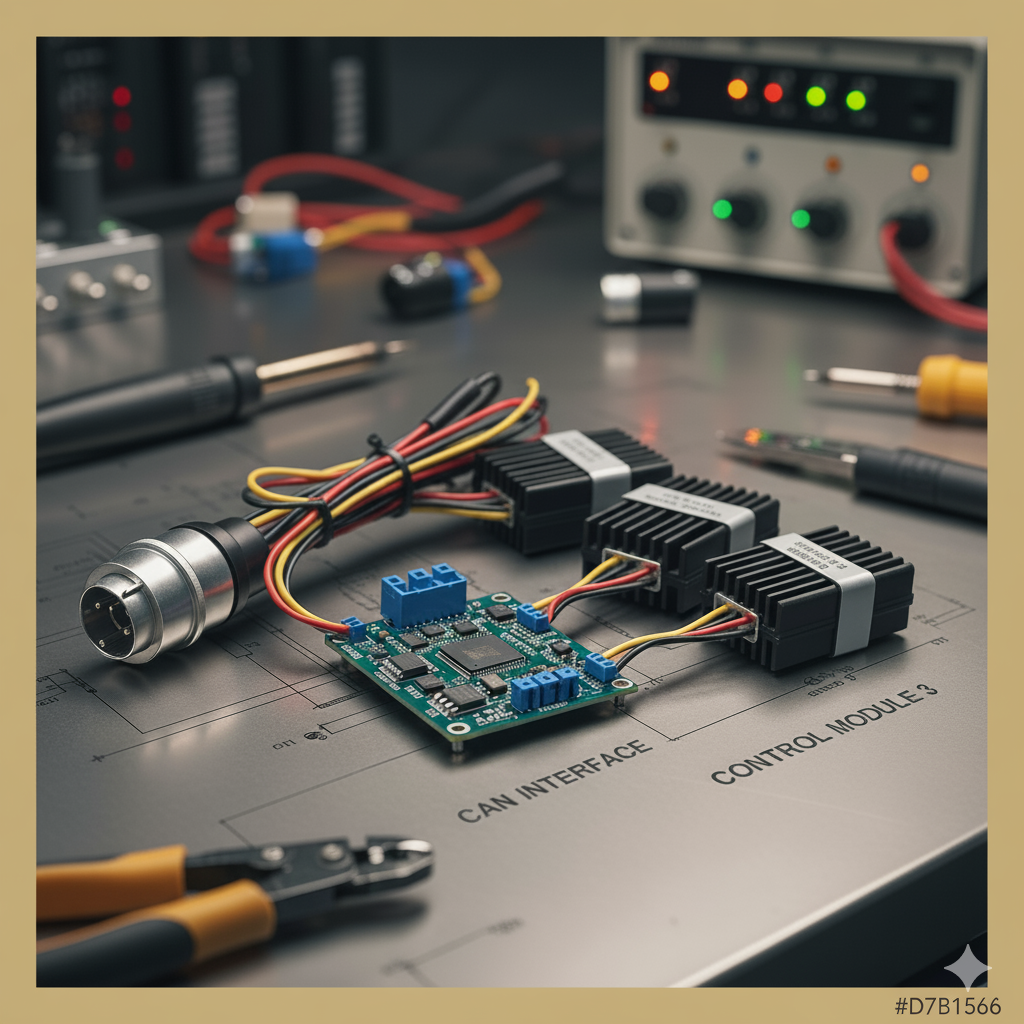
Advanced CAN bus interface and control modules for reliable communication, monitoring, and automation in automotive and embedded systems.
Politics can be attributed to his perseverance to overcome his personal liabilities, and his desire to constantly become better. Next time you really want to achieve something, take time to focus on your own personal journal. What is your temptation that is standing in your wayv to greatness.
The Controller Area Network (CAN) bus is the backbone of communication in modern vehicles and embedded systems. From engine management and braking systems to infotainment and telematics, CAN enables different ECUs to exchange critical data efficiently. To leverage this communication effectively, engineers and technicians rely on CAN bus interface and control modules.
CAN bus interface modules act as a bridge between a computer, diagnostic tool, or microcontroller and the vehicle’s CAN network. They allow you to monitor, control, and program ECUs safely. Control modules extend this functionality by enabling operations such as switching relays, controlling actuators, or automating system tasks in embedded applications.
These modules are widely used for:
Automotive diagnostics and ECU programming
Embedded system development and testing
Industrial automation and robotics
Research and prototyping for vehicle electronics
Reliable Communication – Supports CAN protocol standards, ensuring accurate data exchange.
Multiple Channels – Interface with one or more CAN networks simultaneously.
Control Capabilities – Drive relays, actuators, or other connected devices.
Integration – Works with programming, debugging, and automation tools for embedded systems.
Real-Time Monitoring – Provides logs and data streams for analysis and troubleshooting.
Using these modules simplifies complex tasks such as ECU flashing, firmware updates, or system automation. They save time, reduce errors, and allow engineers to develop, test, and deploy vehicle and embedded systems more efficiently.
CAN bus interface and control modules are essential for anyone working in automotive electronics, embedded systems, or industrial automation. They ensure reliable communication, precise control, and faster development cycles, making them indispensable tools in modern vehicle and system design.

If you were choose the path to the right, the right path, there are new possibilities, achievement, freedom of mind, positive and progressive implications. Think about that as you stand at this place where the path splits. You want to make a decision and commit to one of these paths. Before you make that decision, we are going to see what each path holds for your future.
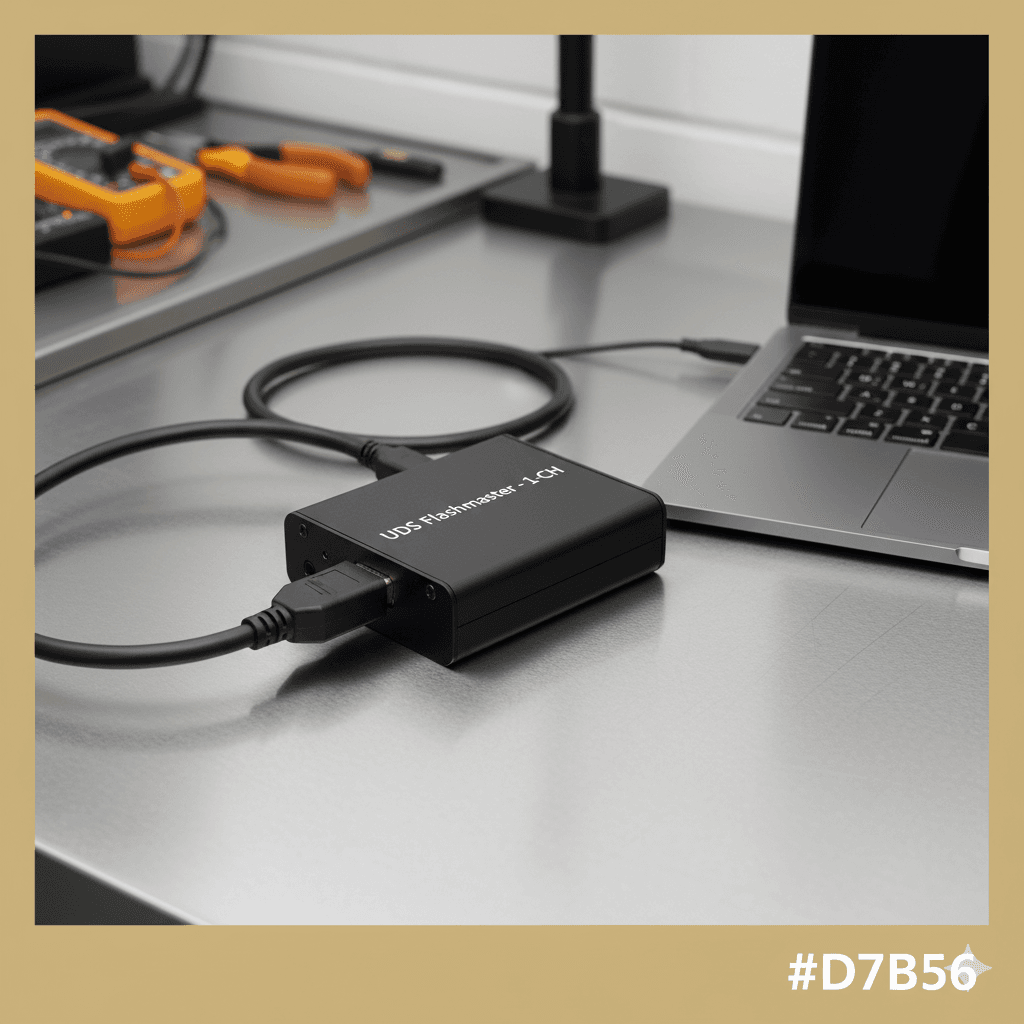
The 1-Channel CAN (UDS) Flashing Tool is designed for reliable and efficient ECU programming and diagnostics. Ideal for single-network vehicle communication, it supports UDS protocol for automotive flashing, testing, and firmware updates over CAN bus. Perfect for developers and automotive engineers handling ECU calibration and diagnostics.
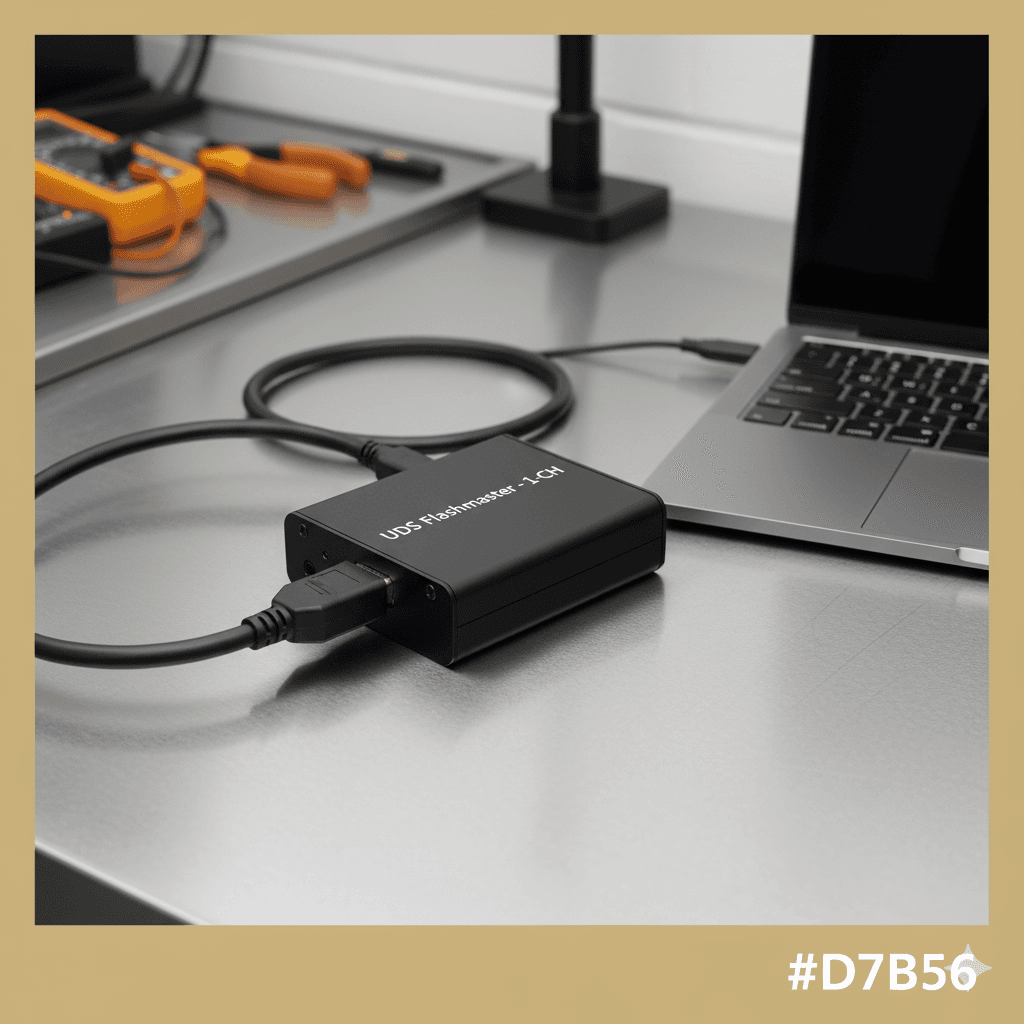
The 2-Channel CAN (UDS) Flashing Tool offers dual CAN bus connectivity for advanced ECU programming and diagnostics. It enables simultaneous communication with multiple ECUs using the UDS protocol, enhancing workflow efficiency in automotive development and production testing environments.
Have a brand problem that needs to be solved? We’d love to hear about it!
Let’s Get Started